
passive house
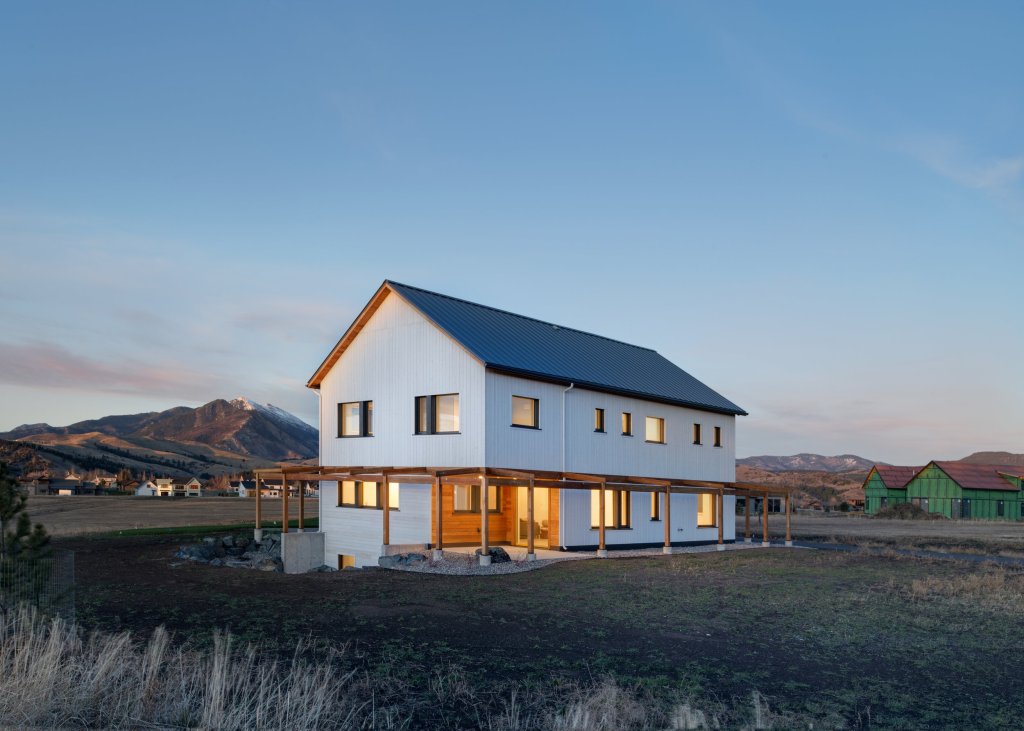
Certified Passive House to the Passive House Institute international standards
passive house is an Efficient & high quality standard of design & construction
SDCW is a certified Passive House design firm. Passive House (or the original German, Passivhaus) is a building standard that is truly energy efficient, comfortable and affordable at the same time. SDCW firmly believes not only in the tangible benefits it provides the owner, such as financial savings and a high level of comfort, we also believe in the scientific evidence that Passive House design and construction significantly reduces our carbon footprint and creates a sustainable future.
Passive House is not a brand name, but a tried and true construction concept that can be applied by anyone, anywhere.
Yet, a Passive House is more than just a low-energy building.
For more information visit: https://passivehouse.com/
Key Concepts
1. Thermal Insulation
By use of thermal insulating materials in conjunction with the other key criteria of Passive House, the heating/cooling demands of the building can be reduced by up to 90% of a conventionally constructed building. Keeping constant internal temperatures prevents mould and condensation, creating a hygienic internal environment.
2. airtightness
Airtightness is another crucial component for a Passive House. Airtightness allows a complete control of the internal air quality and temperature by not allowing any drafts in or air out. Through meticulous construction methods and careful supervision, it has been shown that airtightness can be successfully achieved.
3. heat Recovery & Ventilation

As the building is airtight, mechanical ventilation is imperative to control the airflow inside the building. By use of filters and heat recovery, the outdoor air is cleaned and cooled or heated prior to being supplied into the home. Heat from inside is used to heat the incoming cooler air in winter, saving energy and providing clean, pollutant free air. As such, Passive House internal air is always clean and temperate, 24/7.
4. Thermal Bridges

Reducing thermal bridges makes homes more energy-efficient, comfortable, and durable. Thermal bridges are weak spots in a building where heat escapes easily, leading to higher energy bills and cold spots. Fixing them helps keep indoor temperatures stable, reduces condensation and mold, and improves insulation performance. It also protects the building structure and lowers your carbon footprint.
5. windows

As windows make up part of the thermal layer, window performance is paramount for effective performance. High performance windows aligned with the thermal layer, positioned in the correct orientation allow for renewable solar heat to enter the building without compromising the internal environment.
6. primary Energy Renewable

Since the energy demand of a passive house is so low (90% less than conventional construction), the energy demand can be very easily met through renewable energy sources. namely in some Australian capital cities which see lots of sun throughout the year, solar energy can be effectively and reliably used to provide energy. That being said, electrical appliances can be also be used effectively as the energy use if so astoundingly low.
Design your own state of the art home today
Passive House homes are a great example of modern construction and design. These homes focus on sustainability, resource efficiency, and creating a comfortable and healthy living environment. They use excellent insulation, high-performance windows, airtight construction, and a mechanical ventilation system to reduce energy consumption and greenhouse gas emissions while maintaining good indoor air quality.
SDCW Architects



SDCW is a ZVB Pty Ltd business
ABN 67 662 543 633 Australia
Company Rego. 600461 VIC
Nom. Architect: A. V-Boghossian
12017 NSW, 800573 VIC
37-43 Breese St,
Brunswick, VIC 3056
hello@sdcw.com.au
Monday—Saturday by appointment
9am — 6pm
 SDCW Architects